







Search Results for: Arabica Varieties
An In-Depth Look at the Two Mainstream Coffee Bean Varieties: Characteristics of Arabica and Robusta, Common Arabica Sub-Varieties, and Hybrid Breeding
In the global coffee-growing landscape, origins such as Brazil, Colombia, and Indonesia each have their own renown, while botanically coffee belongs to the Rubiaceae family under the genus Coffea, with over a hundred known species, though commercial cultivation is mainly concentrated in three varieties: Arabica, Robusta, and Liberica. Arabica is known for its elegant flavors and rich aromas, accounting for more than seventy percent of global production, and is often used for single-origin and specialty coffee; Robusta, on the other hand, is heat-tolerant, high-yielding, and highly stress-resistant, and is mostly used for instant coffee and espresso blends. This article systematically reviews the advantages and disadvantages of these two major varieties, the origins and flavor characteristics of common Arabica sub-varieties such as Typica, Bourbon, Catimor, and Maragogype, and introduces the Castillo variety bred from a cross between Arabica and Robusta, while also sharing related product experiences from Front Street Coffee in stores and during cupping. [more…]
Is Blue Mountain Coffee an Arabica? A Comprehensive Analysis of Arabica Flavor Characteristics and Common Derivative Varieties
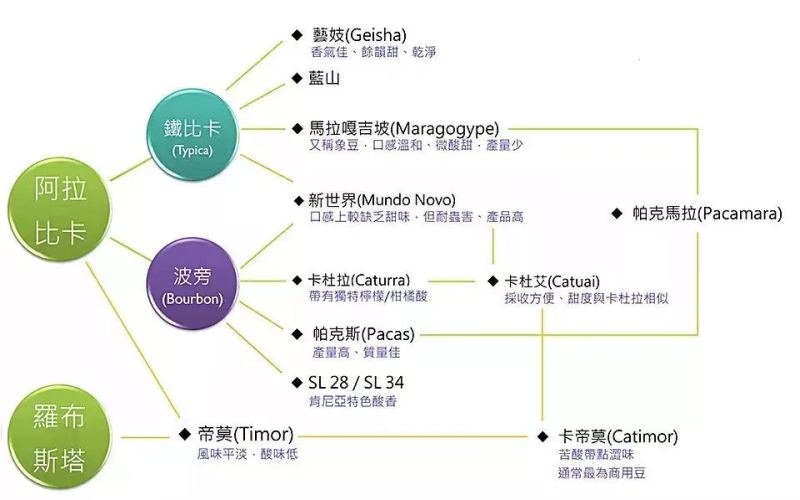
Arabica is the most central variety in today's specialty coffee world, and Blue Mountain coffee also belongs to this broad category. This article will systematically introduce the basic knowledge of Arabica coffee beans from the perspectives of variety origin, flavor characteristics, and growing conditions, and will also sort through the features and representative products of common derivative varieties such as Typica, Bourbon, Caturra, and Catuai one by one. At the same time, combined with Front Street Coffee's brand recommendations, it provides coffee lovers with a complete guide from variety awareness to purchasing reference, helping you more clearly understand the rich diversity within the Arabica system. [more…]
What Exactly Does Arabica Coffee Refer To? A Full Analysis from Variety Origins to the Flavors of the World's Mainstream Coffee Beans
When buying coffee, what exactly does "Arabica," which frequently appears on packaging, mean? It is not a coffee brand from any particular country, but an important botanical variety of coffee. This article, from the perspective of Front Street Coffee, sorts out the differences between Arabica, Robusta, and Liberica, explains why Arabica can account for more than seventy percent of global production, and clarifies its connection to specialty coffee. At the same time, the article introduces one by one the common Arabica branch varieties on the market—Typica, Bourbon, Caturra, Catuai, SL28 and SL34, Geisha, Ethiopian heirloom varieties, and Catimor—combining the origin, altitude, processing method, and brewing flavor of various representative beans from Front Street to help coffee enthusiasts build a clear framework for understanding varieties. [more…]
The Complete Guide to Arabica Coffee: From Variety Origins to Front Street Coffee's Recommended Bean List — Essential Pour-Over Basics
When buying coffee, what exactly does the word "Arabica" that frequently appears on packaging represent? It is not a country or a brand, but the most important species in the coffee world. This article will start from biological classification to clarify the differences between Arabica, Robusta, and Liberica, and then take a deeper look at the characteristics and flavor tendencies of mainstream varieties such as Typica, Bourbon, Caturra, Catuai, SL28/SL34, Geisha, Ethiopian heirloom varieties, and Catimor. At the same time, by combining several representative bean lists from Front Street Coffee, it helps coffee enthusiasts establish a clear understanding of the relationship between varieties and flavors at the beginner stage of pour-over coffee. [more…]
Arabica Coffee | What Is Arabica Coffee? 8 Recommended High-Value Specialty Pour-Over Coffee Beans with Subtle Acidity and a Sweet Aftertaste
Is Arabica a coffee brand from some country? Arabica is the name of a coffee variety, and it is a very common coffee variety name. "Made with 100% Arabica coffee beans," "selected Arabica coffee beans"... In our daily lives, when we buy all kinds of coffee products, the packaging always says " [more…]
A Complete Analysis of Coffee Bean Classification: Differences Between Arabica and Robusta and Common Arabica Varieties
There are many coffee-producing regions around the world, and the coffee beans produced in places such as Brazil, Colombia, and Indonesia each have their own reputation. In plant taxonomy, coffee belongs to the Rubiaceae family, and about eighty coffee tree species have been confirmed, among which there are three main cultivated species used for drinking: Arabica, Robusta, and Liberica. Arabica is known for its delicate flavor and aroma and is often used for single-origin and specialty coffee; Robusta, due to its strong adaptability and high yield, is mostly used for instant coffee. Each has its own advantages, and they have also given rise to many hybrid varieties. This article will systematically sort out the characteristics of these two major coffee species, and introduce common Arabica sub-varieties such as Typica, Bourbon, Catimor, and Maragogipe, while also sharing Front Street Coffee's cupping experience and product recommendations for the related bean types. [more…]
A Comprehensive Guide to Arabica Coffee: Variety Origins, Growth Characteristics, and Main Flavor Branches Explained
Arabica coffee is the dominant variety in the global specialty coffee market, but many people find that products labeled as Arabica beans can taste vastly different. The reasons behind this are closely tied to variety branches, growing conditions, and genetic evolution. This article will systematically sort out the origin and classification status of Arabica coffee, analyze its demanding requirements for the growing environment and its weaknesses in disease resistance, and introduce one by one the bean characteristics and flavor profiles of common branch varieties such as Typica, Bourbon, Caturra, Catuai, SL28, SL34, and Geisha. It will also include corresponding representative product recommendations from Front Street Coffee to help coffee enthusiasts build a clear framework for understanding varieties. [more…]
A Complete Analysis of the Arabica Coffee Family Varieties: Is Typica Classified Within the Arabica Camp?
The coffee world is complex and diverse, but the two most common commercial bean species are undoubtedly Arabica and Robusta. This article systematically reviews the production distribution, growing environments, and flavor characteristics of the world's three major native coffee varieties, with a focus on analyzing the Typica sub-variety under the Arabica species—from botanical classification to cup performance, answering the common question of whether Typica belongs to Arabica. The article also introduces Front Street Coffee's variety profile and includes a flavor description of Typica in the Yunnan production region, helping enthusiasts build a clear framework for understanding coffee varieties. [more…]
A Comprehensive Guide to 100% Arabica Coffee Beans: Variety Origins, Flavor Characteristics, and Common Representative Beans
We often hear the phrase "100% pure Arabica," but many people aren't clear on what it actually means. Arabica is actually the name of a coffee variety, not a country. It is currently the most widely cultivated and best-performing coffee variety in the world, with a caffeine content of only 0.8%-1.5%, and its output accounts for about 75% of the world's total coffee production. However, Arabica is delicate and frail, makes strict demands on the growing environment, and is prone to coffee leaf rust. Common specialty coffee beans such as Typica, Bourbon, Caturra, and Catuai are in fact all sub-varieties derived from Arabica. This article will systematically sort out the definition of Arabica, the origin of its name, and several of the most common derivative varieties on the market, to help coffee lovers gain a clearer understanding of the coffee beans they drink every day. [more…]
A Comprehensive Analysis of the Flavor Characteristics of Major Arabica Coffee Bean Varieties and Their Derived Types
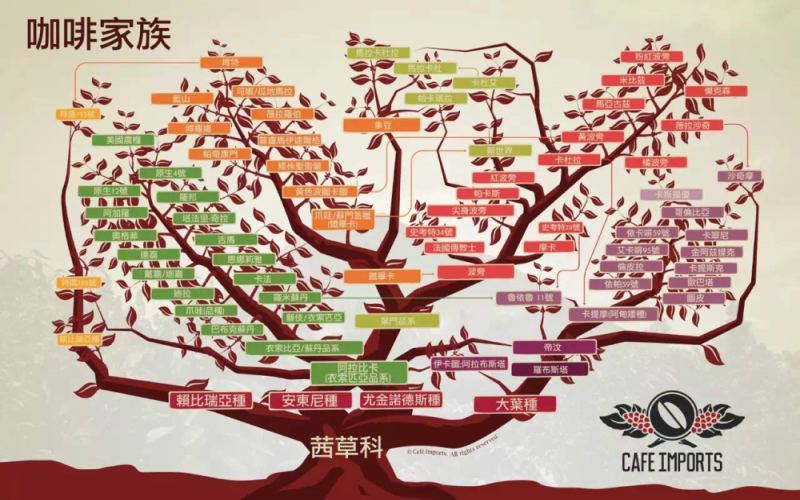
The flavor foundation of coffee lies in its varieties. Among the world's three major native species, Arabica, with its delicate aroma and rich layers, occupies an absolute mainstream position in specialty coffee. However, Arabica is not a single variety; after centuries of natural mutation and artificial breeding, it has derived many branches such as Typica, Bourbon, Caturra, Geisha, and Catimor, each presenting distinctly different expressions in the cup. This article will systematically sort out the main variety lineage of Arabica, from ancient native species to modern hybrids, analyzing their origins, morphological characteristics, and flavor trends one by one, while also introducing several representative single-origin beans from Front Street Coffee, to help coffee enthusiasts build a clearer framework for understanding varieties. [more…]
A Complete Guide to Arabica Coffee Varieties: From Typica to Landrace—Specialty Flavors and Recommendations
Arabica and Robusta are the two most common coffee varieties on the market, with the former becoming the mainstream of specialty coffee thanks to its delicate flavors and rich aromas. This article begins with the differences between the two, then systematically sorts out the main members of the Arabica family—Typica, Geisha, Bourbon, Caturra, and Ethiopian heirloom varieties—analyzing each one's origin, characteristics, and flavor profile. At the same time, drawing on recommended products from Front Street Coffee, it helps coffee lovers understand how variety and terroir together shape the final taste of a cup of coffee. [more…]

Arabica Coffee Bean Flavor and Taste Analysis: From Typica to Catuai, a Complete Guide to Pour-Over Single-Origin Bean Varieties
Global coffee varieties are mainly divided into three major categories: Arabica, Robusta, and Liberica. Among them, Arabica occupies about 70% of total production thanks to its superior flavor, and it is also the primary bean type used by specialty coffee shops. Front Street Coffee's offerings are basically all made with Arabica beans. Arabica has many sub-varieties, each with its own characteristics, such as Typica, Bourbon, Caturra, and Catuai. This article will systematically review the origins, morphological characteristics, cultivation performance, and flavor tendencies of these common varieties, while also briefly introducing the current status of Robusta and Liberica, to help coffee enthusiasts more clearly understand the selection logic and flavor differences of pour-over single-origin coffee beans. [more…]

What's the difference between Arabica and Robusta? Analyzing why the former is more popular, from caffeine and appearance to varieties.
In the world of coffee, Arabica and Robusta are the two most common bean varieties on the market. The former is a small-seeded species, while the latter is a medium-seeded species, and the two differ noticeably in caffeine content, flavor profile, growing conditions, and appearance. Arabica has lower caffeine and higher sugar content, with a sweeter, softer flavor and fruity acidity; Robusta, on the other hand, has higher caffeine, chlorogenic acid, and amino acid levels, giving it a richer, deeper, low-toned mouthfeel. Why is Arabica more favored? Front Street Coffee will guide you through a systematic understanding of the differences between these two types of coffee beans from the perspectives of composition, appearance, flavor, plant, and representative varieties, and share the classic flavors of the Arabica family, including Typica, Geisha, and Ethiopian heirloom varieties. [more…]
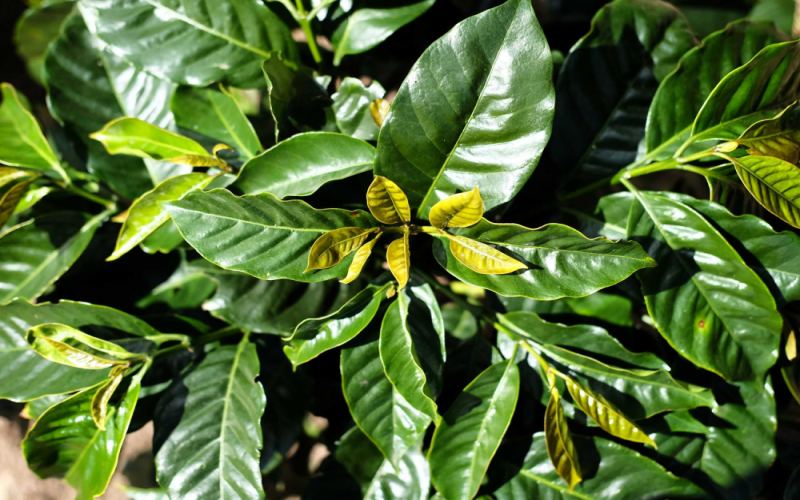
The Arabica Coffee Variety System | What types of Arabica coffee beans are there? Is the difference between Arabica and Robusta coffee significant?
It is often said that delicious coffee is inseparable from its variety, and currently the most common are Arabica coffee beans and Robusta coffee beans, which are the two most common bean types. The Arabica variety is considered the best among all varieties, mostly appearing as specialty coffee, and its overall flavor is also relatively good. Our famous Blue Mountain Coffee [more…]
What exactly are Arabica coffee beans? A full analysis from variety origins to Typica, Bourbon, Caturra, and Catuai
People often say "100% Arabica," but what exactly does Arabica refer to? Is it a country, a producing region, or a coffee variety? In fact, Arabica is just one of the three major coffee species, the other two being Robusta and Liberica, and Arabica is widely used in specialty coffee due to its outstanding flavor. Its caffeine content is about 0.8%-1.5%, yet it accounts for about 75% of global production, but its growing conditions are demanding—it is vulnerable to frost, drought, and leaf rust. In this article, Front Street Coffee will guide you through the origin of the name Arabica, its spread and history, and the common varieties derived from it, such as Typica, Bourbon, Caturra, and Catuai, along with the origin and flavor information of representative coffee beans for each variety, to help you choose your ideal coffee more clearly. [more…]
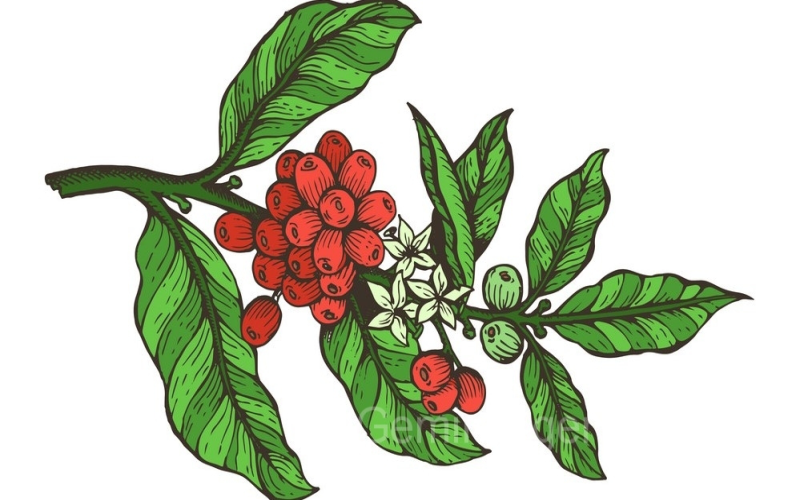
A Review of Best-Selling Arabica Coffee Bean Varieties on Taobao: Detailed Flavor Guide to Typica, Bourbon, Caturra, Geisha, and Heirloom Varieties
You often see "100% Arabica" or "Selected Arabica Coffee Beans" printed on coffee packaging, but Arabica is not a coffee brand from any country—it is the name of a coffee variety. This article focuses on the five best-selling Arabica coffees on Taobao, introducing one by one the origins, characteristics, and flavor profiles of five major varieties: Ethiopian heirloom, Typica, Bourbon, Caturra, and Geisha. All recommendations come from Front Street Coffee, which combines reputation and quality. Front Street's offline stores offer more than 50 types of coffee beans, all freshly roasted within 5 days and shipped within 24 hours, with stable quality and high cost-effectiveness. Whether you are a beginner or an advanced professional enthusiast, it is worth your reference. [more…]
A Comprehensive Analysis of the Characteristics and Flavor Differences of Arabica, Robusta, and Liberica Coffee Tree Varieties
The world of coffee is diverse and colorful, but what truly determines the flavor direction in the cup starts first with the variety of the coffee tree. The two main varieties, Arabica and Robusta, account for almost all of the world's coffee production, while secondary varieties such as Liberica, though uncommon, each have their own characteristics. This article will systematically sort out the core differences among these coffee trees in terms of origin, growing conditions, bean shape, caffeine content, processing methods, and flavor performance, while also explaining the impact of pests, diseases, and natural disasters on coffee cultivation. Whether you are a beginner enthusiast or a seasoned player looking to refine your tasting knowledge, you will find key information worth noting. [more…]
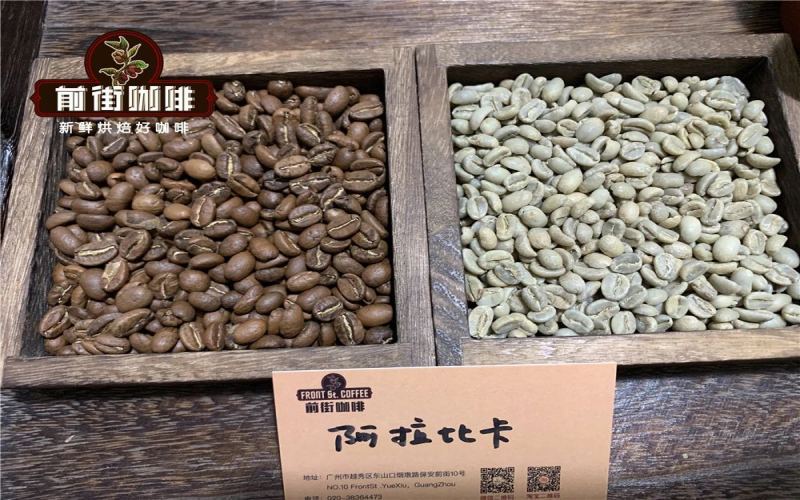
A Comprehensive Guide to Arabica Coffee Beans: Origins, Varieties, Producing Regions, Flavor, and Price
Arabica coffee, with its rich layers of aroma and varied flavors, occupies an irreplaceable position among commercial coffee beans. From its origins on the Ethiopian highlands to its present-day spread across the coffee belt of Central and South America, Africa, and Asia, Arabica has undergone a long journey of dissemination and evolution. This article will systematically sort through Arabica's botanical characteristics, growing conditions, the two ancient original varieties Typica and Bourbon, as well as common derived varieties such as Geisha, Caturra, and SL28. At the same time, combined with Front Street Coffee's bean list recommendations, it will take you from origin, variety, and processing method to flavor and mouthfeel, for a comprehensive understanding of the rich world behind this everyday drink. [more…]
A Complete Analysis of the Arabica Coffee Bean Family: The Variety Lineage and Characteristics from Typica and Bourbon to Geisha and Catimor
The flavors of coffee are endlessly varied, and the root cause often lies in differences between varieties. Among the two main types of beans, Arabica and Robusta, Arabica has become the primary source of specialty coffee thanks to its delicate and elegant flavor expression. Starting from botanical classification, this article sorts out Arabica's origins, growing conditions, and physical characteristics, and systematically introduces the background and flavor traits of common varieties such as Typica, Bourbon, SL28, Geisha, Caturra, Pacas, Maragogype, Tim Tim, and Catimor. It also retains the producing regions, processing methods, and flavor descriptions of several Front Street Coffee single-origin beans, helping coffee lovers build a complete framework for understanding varieties. [more…]
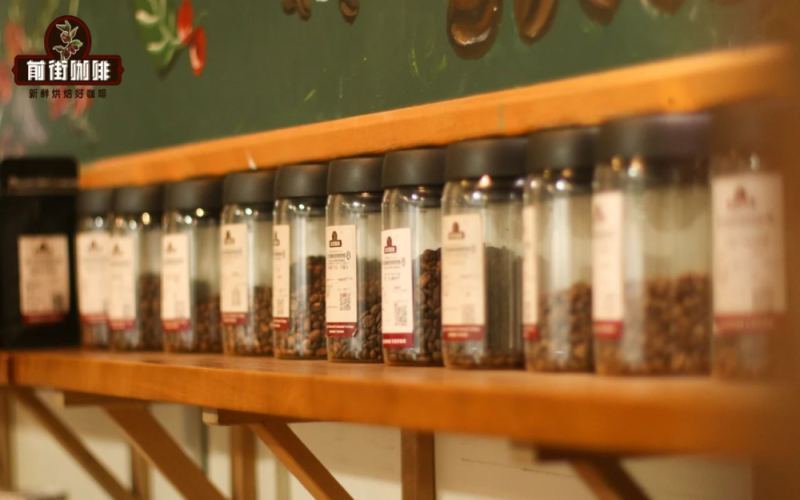
Arabica Coffee Bean Flavor Characteristics and Main Subspecies Overview: Analysis of Differences Among Typica, Bourbon, Geisha, and Other Varieties
Arabica accounts for more than seventy percent of global coffee production and is also widely recognized as the coffee species with superior flavor performance. But Arabica is not a single variety; under it there are also many subdivided subspecies such as Typica, Bourbon, and Geisha, each differing in bean shape, flavor, and cultivation characteristics. From the perspective of Front Street Coffee, this article systematically sorts out the basic characteristics of Arabica coffee, its caffeine and sugar content, as well as the appearance and flavor characteristics of major varieties such as Typica, Maragogype, Pacamara, the Bourbon group, and Geisha, helping coffee enthusiasts build a clearer understanding of varieties. [more…]